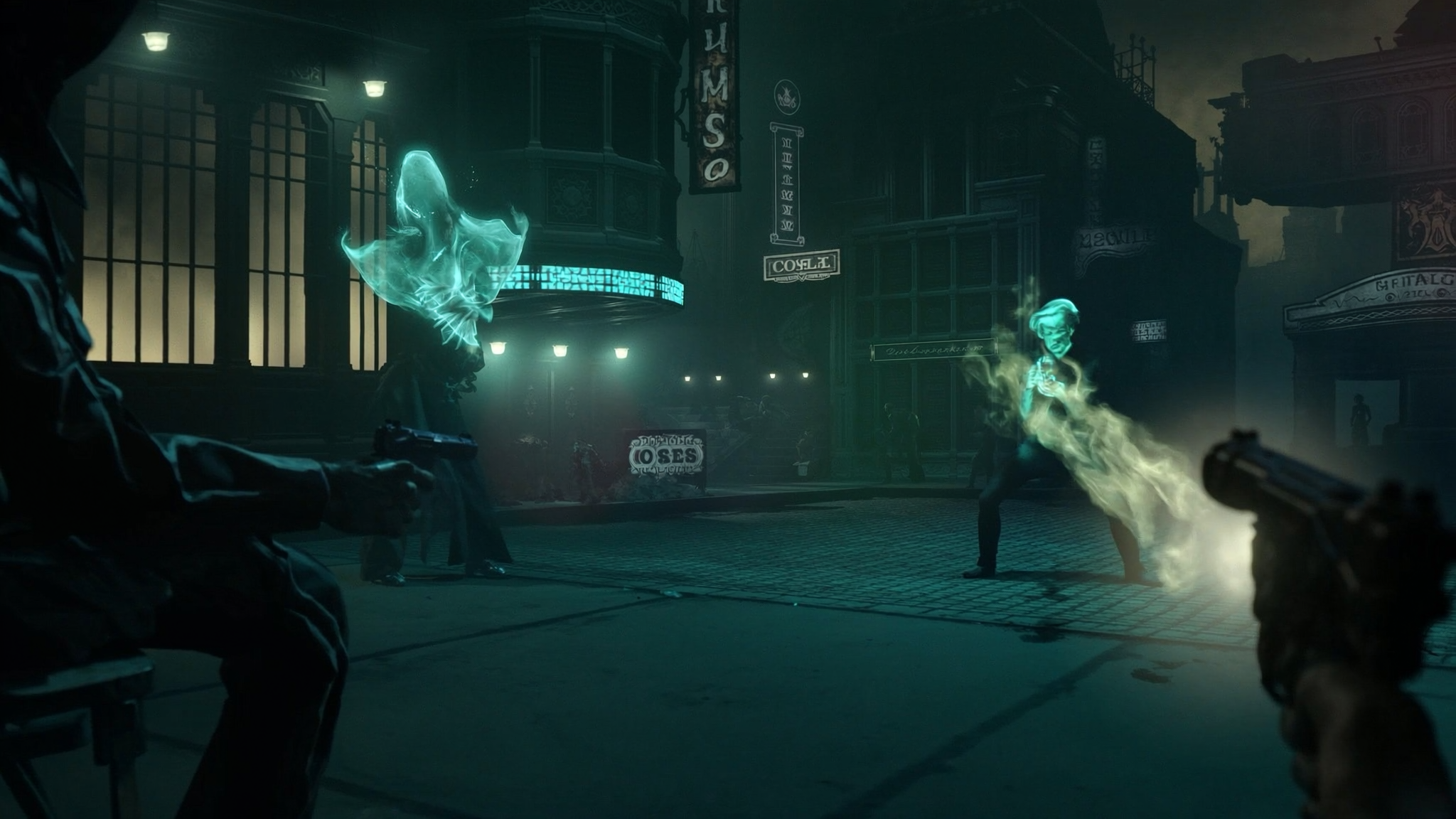
Callout watches your Deadlock VOD and grades your whole game across every dimension, then shows you what to work on. Soul economy, cover discipline, ability combos, lane control, map awareness, itemization, teamfight positioning. All of it.
// First analysis free. No credit card required.
Deadlock rewards players who convert every second into Souls and translate Souls into fights won. Most players bleed both. Here's where the losses happen.
Deadlock's economy is decided in the first ten minutes, and most players don't know their last-hit rate until they're already behind. Missing denies is just as costly as missing last hits. Callout reads both in real time so you can see exactly when and where the gap opened.
Deadlock punishes players who stand exposed during trades. Most players don't realize they're doing it because it feels like aggression. Callout tracks your cover usage on every engagement and flags the positions where you gave opponents clean shots they didn't earn.
Firing an escape ability with no threat nearby, using a slow into empty space, burning your ult before the fight breaks correctly. Deadlock's ability economy is tight. One wasted cooldown at the wrong moment swings a fight, and it's nearly impossible to catch from inside the game.
The most common itemization mistake in Deadlock isn't buying the wrong item. It's buying nothing while your opponent spikes two items ahead. Callout identifies the back timings you missed and the windows where a purchase would have changed a fight you lost.
Two AI passes. One comprehensive report. Every dimension of your Deadlock game graded with timestamped evidence from your actual match.
Drop in your screen recording from OBS, ShadowPlay, or any capture tool. Any mode works. Callout reads the video directly, no special export needed.
Pass one scans the full match to log last-hit events, deny attempts, cover transitions, ability activations, camp clears, buy timings, and teamfight entries. Pass two re-reads the highest-signal clips in depth, checking your exact position during each engagement, your combo sequencing against your hero's kit design, and your item progression against the Soul curve your opponent ran.
You get a comprehensive Deadlock report across all seven coaching dimensions, not a single tip. Each dimension carries a letter grade with the specific timestamped moments that drove it, patterns that repeated across the match, and at least one strength worth keeping.
Seven dimensions. Real Deadlock criteria built from the actual mechanics that decide matches. Each one graded with examples from your VOD, not from a generic coaching template.
Are you winning the resource war? Callout grades your last-hit rate and deny attempts to measure how fast your Soul income grows vs. your opponent.
Are you taking free damage you should not be taking? Callout tracks whether you peek from cover or stand exposed, and how consistently your shots connect.
Are your abilities doing actual work? Callout checks whether you combo correctly, conserve escape tools, and avoid wasting cooldowns into empty space.
Do you control where the wave breaks? Callout identifies whether you freeze, slow push, or shove-and-roam with purpose or just let the wave go wherever it wants.
Are you converting every idle second into Souls and fight presence? Callout measures minimap usage, camp clearing efficiency, and how often you arrive to fights in time to matter.
Are you spending your Souls or hoarding them? Callout flags Soul hoards, mismatched stat purchases, and bad back timing that costs you farm.
Are you helping your team win fights or feeding the enemy? Callout grades cover angle, target focus, ability timing, and whether you disengage before you die.
Here's what a Callout report looks like for a Deadlock session. This is an illustrative sample, not a specific player's data.
Soul hoarding between minute 8 and minute 14. In five separate windows, your Soul count sat above buy threshold for more than 90 seconds without a purchase while your lane opponent completed a major item. The missed spike windows correspond directly to three of the four fights you lost in the mid game. Faster back timing would have changed those fights before they started.
Escape ability used with no active threat. Four times during the laning phase, your mobility ability was activated while no opponent was within range to warrant it. This left you vulnerable for the full cooldown period on two of those occasions when a real engagement followed within 10 seconds. Conserving the escape for reactive use would have changed both outcomes.
Neutral camp skipped on rotation path. Three rotations from lane to teamfight passed within clear range of neutral camps that went untouched. These were not contest situations, they were idle skips. Clearing camps on the path costs no additional time and compounds your Soul lead over the course of a full match.
Teamfight positioning is a genuine asset. You consistently use cover angles before and during multi-hero fights, your target selection prioritizes high-threat carries over easier kills, and your disengages happen before you reach low health. This is above average for this skill bracket and keeps your death count well below what your economy mistakes would normally produce.
Callout accepts screen recordings and VODs from any capture tool: OBS, ShadowPlay, Xbox Game Bar, or any video file from a GPU recorder. Deadlock does not currently export a structured replay file like a .dem, so video is the correct input. Record your match from inside the game or use a GPU overlay recorder and upload the resulting video file.
Callout is useful across all Deadlock skill levels because Deadlock's economy and lane systems create bad habits that compound over time regardless of rank. Players in the lower and mid brackets benefit most from the soul economy and lane management breakdowns. Players pushing into higher brackets tend to see the most improvement in the itemization timing and teamfight positioning grades, where the gaps between good and great are small but consequential.
Callout grades all seven dimensions regardless of hero. The ability usage rubric reads your specific hero's kit from the VOD, so it checks whether your combo timing and cooldown discipline match what your hero's abilities are actually designed to do, not a generic template. A Mcginnis has different combo windows than a Vindicta, and the rubric reflects that.
Pro streams show you what elite Deadlock looks like. Callout shows you what YOUR Deadlock looks like, measured against the same criteria pros operate on. You see your actual last-hit rate by minute, your specific cover discipline score, the timestamped moments where you hoarded Souls instead of spending them, and the exact teamfight positions that cost your team fights. Not a general lesson about what good lane management looks like.
Callout grades any Deadlock video you upload. Ranked games produce the most useful data because players are more likely to play intentionally, but unranked and private lobby footage works the same way. Sandbox footage is not useful for most dimensions since there are no real opponents to create lane or teamfight context.